First, distinguish whether you want “snow” or “snow scenery”
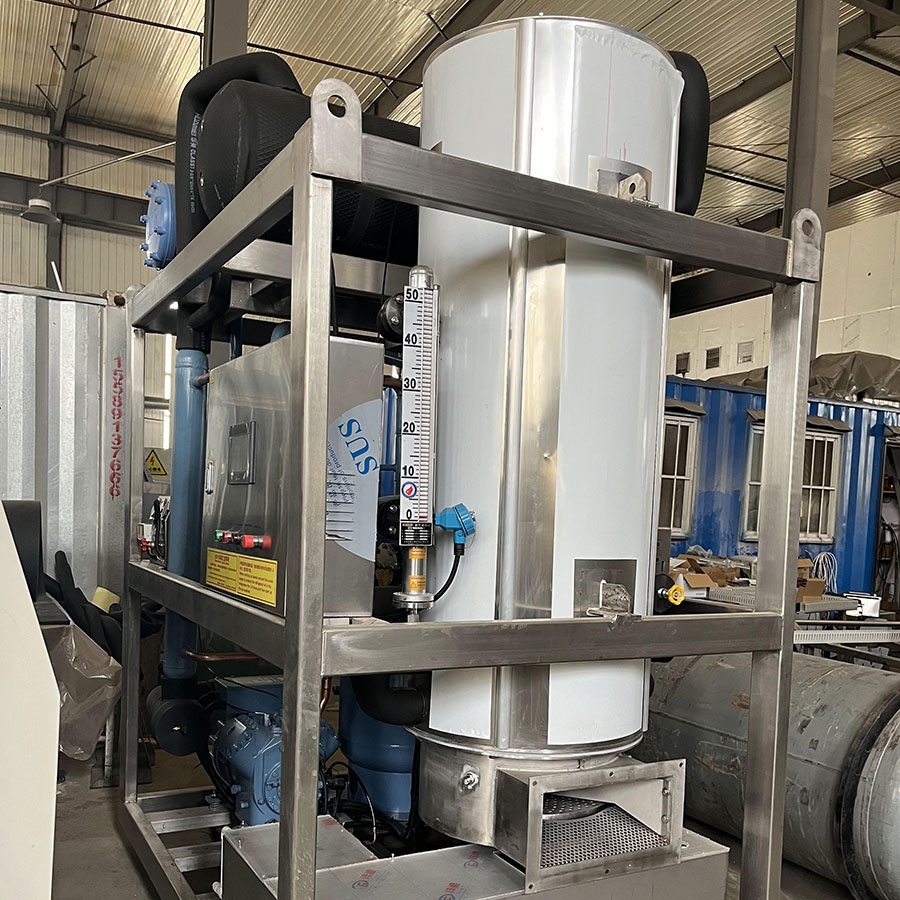
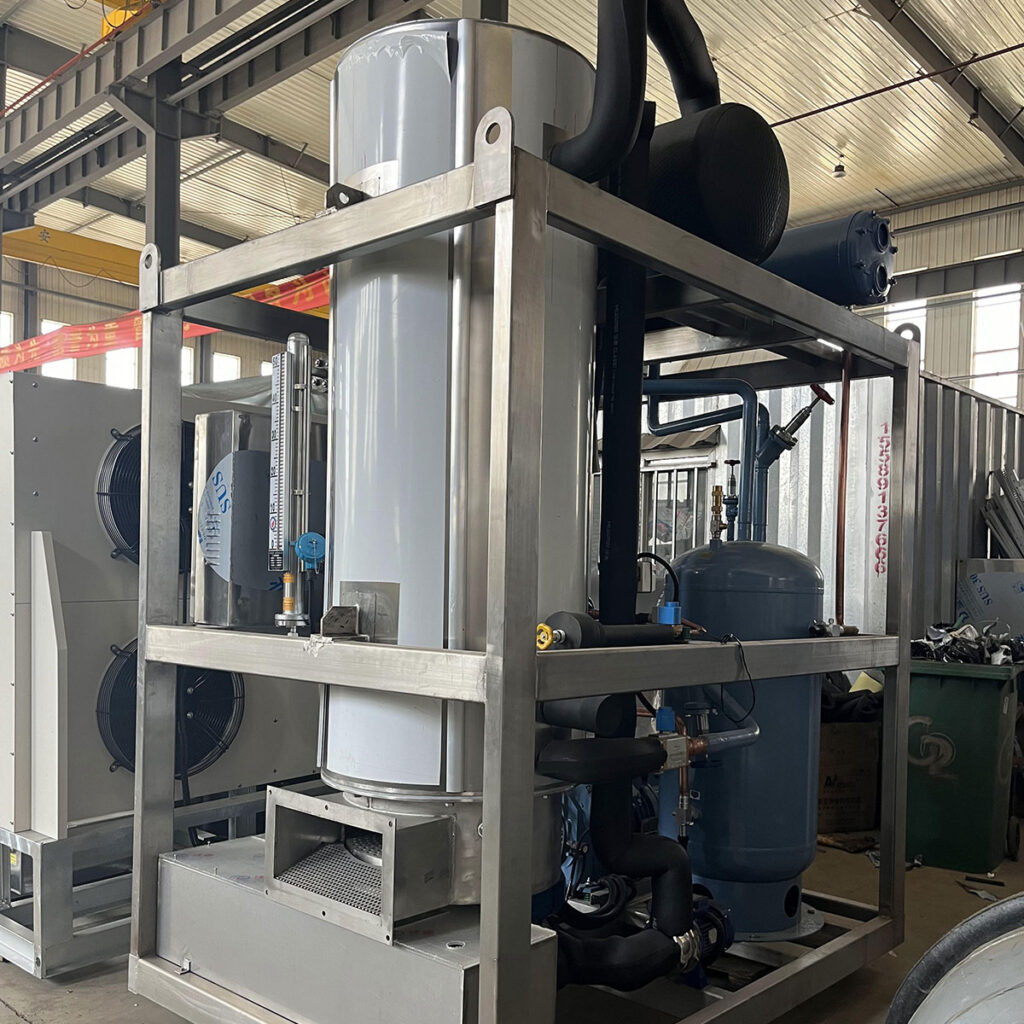
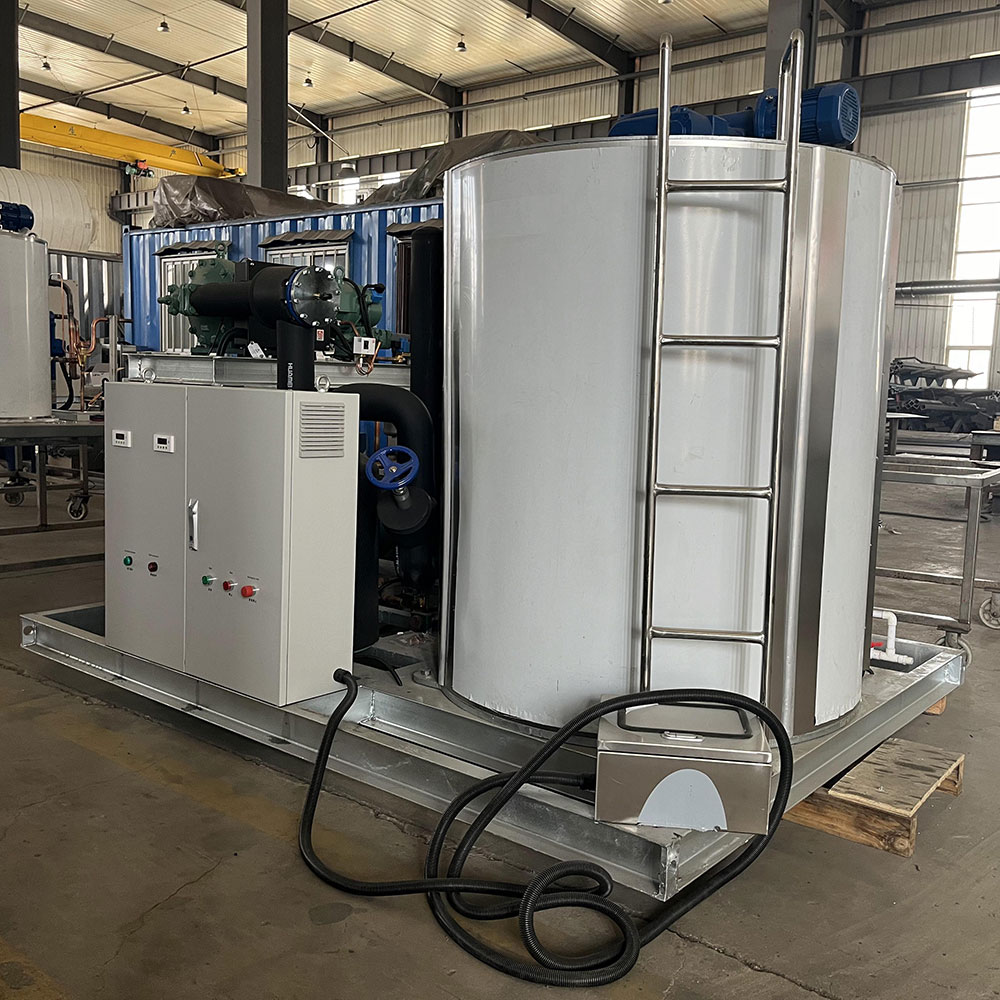
This is the first thing to clarify when purchasing, and it is also the most prone to errors. To lay a snow layer that can be stepped on, slid, and used to build snowmen, you need to buy a complete high-temperature snowmaking system: ice maker, ice storage with refrigeration, crushed ice powder snow machine, high-pressure conveyor, and a four piece set. All you need is the snow atmosphere in shopping malls, hotels, and event venues. Buying a snow or blizzard machine is enough. The price difference between these two types of devices is more than ten times. Most of the “high-temperature snow making machines” priced at 10000 to 30000 yuan in the market are small capacity single machines or snow drifting devices; The complete sets of systems from mainstream manufacturers are generally priced between 120000 and 500000 yuan. The price clearly deviates from this level, first clarify which one it is.
Next, calculate the account: don’t ask the manufacturer, ‘How many tons do you produce per day?’
You should calculate it yourself. Snow coverage=area x target thickness x bulk density (empirical value of loose artificial snow 0.4-0.5 t/m ³). A thousand square meters of 30 centimeters is needed, which requires approximately 135 tons. Calculate the amount of snow replenishment – outdoor daily loss of 8% -15%, indoor loss of 3% -5%. Calculate the peak value again: It is required to lay it out in five days, which means an average of 27 tons per day, plus a daily supplement of 10%, about 13 tons. The actual requirement is 40 tons/day of equipment. Finally, leave a 20% -30% margin.
Observe the proportional relationship of the four piece set
The essence of high-temperature snow making process is a closed-loop cycle of “ice making – ice storage – ice crushing – snow blowing”, so the production of flake ice (with a thickness of about 1.5-2.0mm) by the ice maker, the ice storage bin, the ice crusher, and the conveying fan are all indispensable. The ratio of ice storage capacity divided by daily production capacity is the most noteworthy: equipment below 0.3 cannot keep up with the concentrated snow spreading at the beginning of the season, and can only make ice while spraying snow, with production capacity constrained by the rhythm of the ice machine. Many low-priced models are precisely shrinking here.
Parameter verification: Six hard indicators
One is whether there is actual measurement support for the upper limit of snow temperature – it is necessary to distinguish between “35 ℃ can produce snow” and “35 ℃ can produce qualified dry snow”, the former may only be sprayed with wet snow debris. The second is the dryness of snow quality. Some manufacturers use “dryness above 92%, no adhesion or blockage” as an indicator, which is much more useful than “comparable to natural snow”. The third is unit uniformity: the daily ton and daily cubic meter are two sets of algorithms, and one ton of loose snow is about 2-2.5 cubic meters. The quotation must be clearly stated. The fourth is to start the snow removal time and whether it can operate continuously for 24 hours. The fifth is noise dB (A) – for projects installed near shopping malls, hotels, and residential areas, if this item is not qualified, they will be directly eliminated. The sixth aspect is material and control: SUS304 steel frame, PLC and remote monitoring, snow level adjustment.
Venue conditions: Projects that cannot be installed
Electric power can reach tens or even hundreds of kilowatts, with a high starting current of 380V, and the power distribution in old factories and shopping malls often cannot sustain it; Water quantity and quality need to be calculated, and filtration is necessary for high hardness and high suspended solids; The heat dissipation of the refrigeration condenser in the indoor hall should be included in the cooling load, otherwise the temperature of the hall will rise back when the equipment is turned on; There are also issues with the drainage and recycling of daily meltwater in open-air projects; Container units entering the site must be transported by road, lifted, and ground supported; The temporary project of Meichen in the shopping mall and scenic area has been stuck in firefighting and telegraph approval all year round. These are not equipment issues, but they can keep the equipment dry after it arrives.
Business Terms: Four Hard Requirements
Go to projects that have already been run in the same climate zone to see the actual machine – this is the only reliable verification method, not including exhibition halls and promotional videos. Write the acceptance criteria into the contract: “Environment XX ℃, continuous operation for 8 hours, daily production not less than XX tons, snow dryness not less than XX%”, and specify the penalties for non-compliance. Request for measured energy consumption (kWh/ton of snow): The theoretical lower limit is about 93 kWh for freezing one ton of water into ice, plus ice making efficiency and crushed ice transportation. In reality, it is mostly between 120-200 kWh/ton. If it exceeds the limit too much, the compressor configuration should be inquired. Finally, the prices and delivery cycles of spare parts for blades, nozzles, and compressors, as well as the warranty period, on-site delivery time, and maintenance plans for the end of the snow season, all need to be put on paper.
Five pitfalls, one sentence each
Only focus on “35 ℃ snow making” without considering the decline in production; The shrinkage of the ice storage facility resulted in being unable to move at the beginning of the season; The ground is not insulated, and there is no snow on the ground due to the lively spraying; Buy a snow machine as a snow making machine to pave the snow path; Ignore power distribution renovation and condensation heat dissipation.