When it comes to dry ice machines, many people’s first reaction is the layer of white mist flowing on the ground at the wedding venue. In fact, dry ice machines have long left the stage and become indispensable equipment in cold chain transportation, industrial cleaning, and even food processing. In terms of form, there are three main types: stage effect machines, dry ice manufacturing machines, and dry ice cleaning machines, each serving completely different fields.
On stage: creators of atmosphere
Stage dry ice machines are the most familiar type to the public. It heats water and mixes it with dry ice, producing a large amount of low-temperature water mist. The smoke is heavier than air and slowly spreads out against the ground, unlike ordinary smoke machines that diffuse the entire space and obstruct actors. Wedding entrance, party opening, bar electronic music, new product launch event unveiling, and even outdoor filming all rely on it to create an atmosphere of “ethereal charm”. A medium-sized dry ice machine is enough to cover the stage floor of a 500 person venue with a uniform layer of smoke within a few minutes.
Cold chain and healthcare: Mobile preservation at minus 78 degrees Celsius
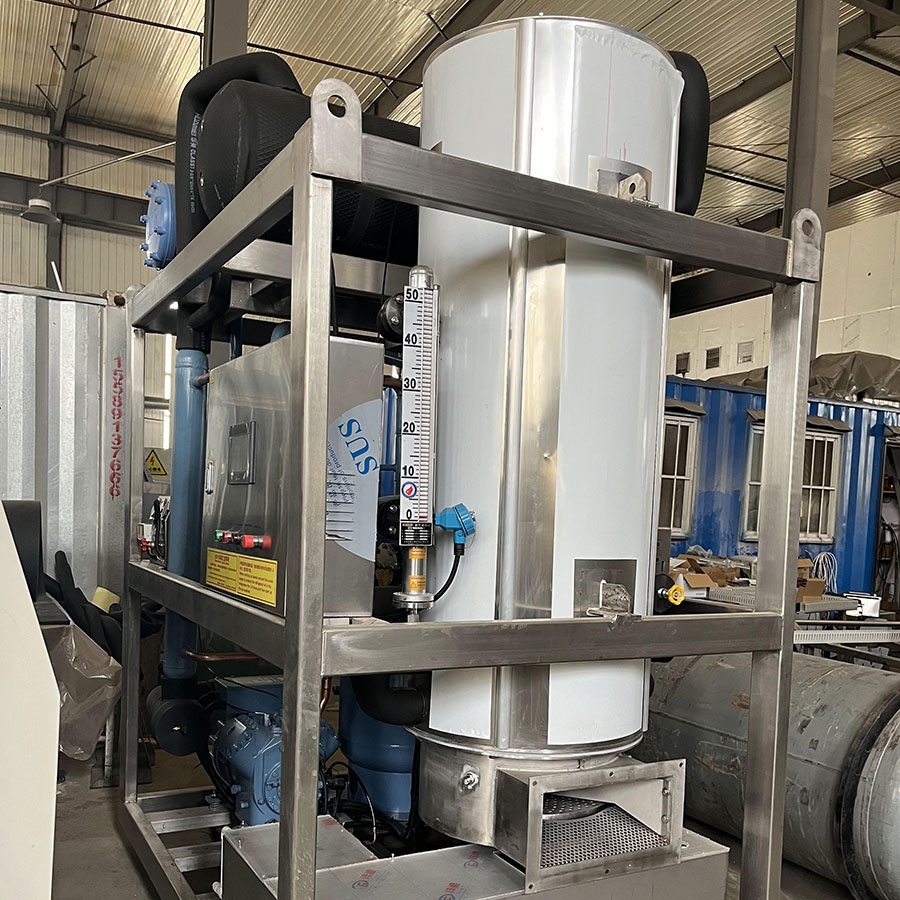
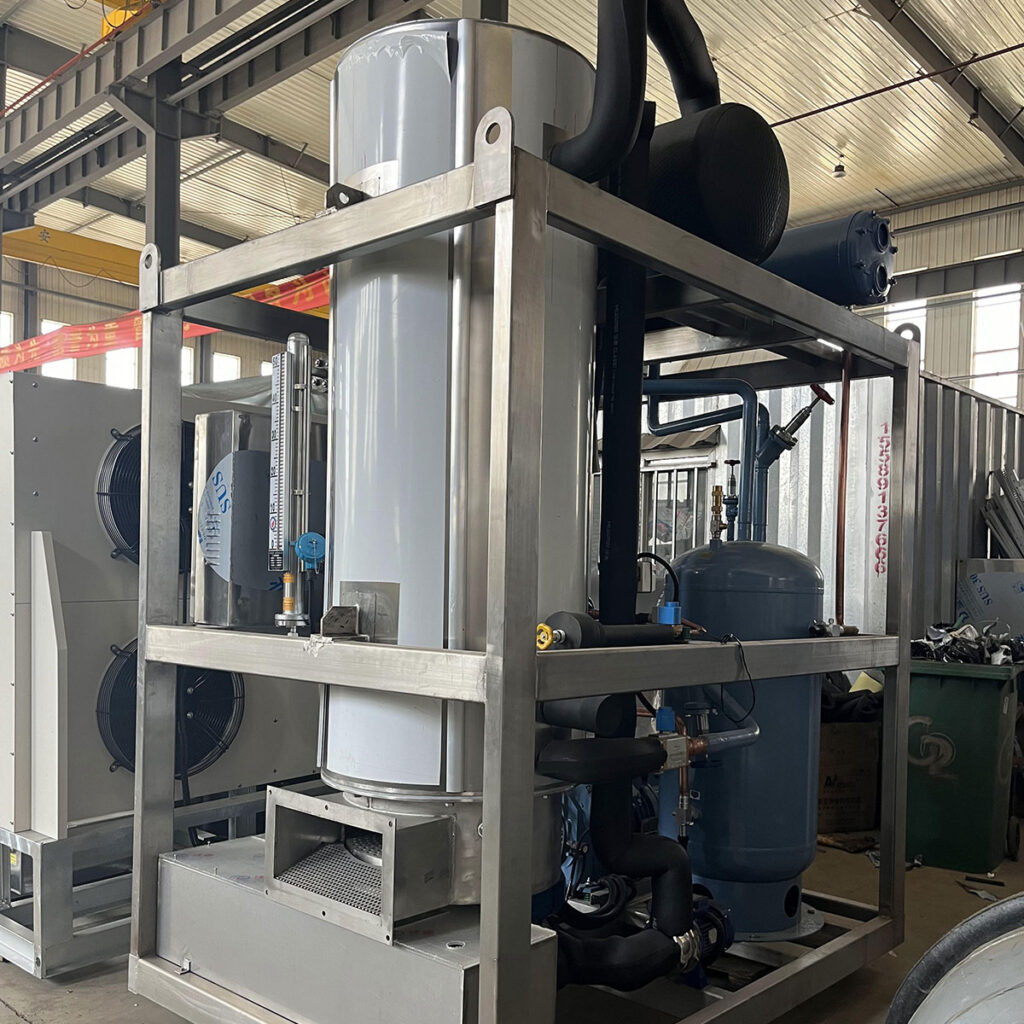
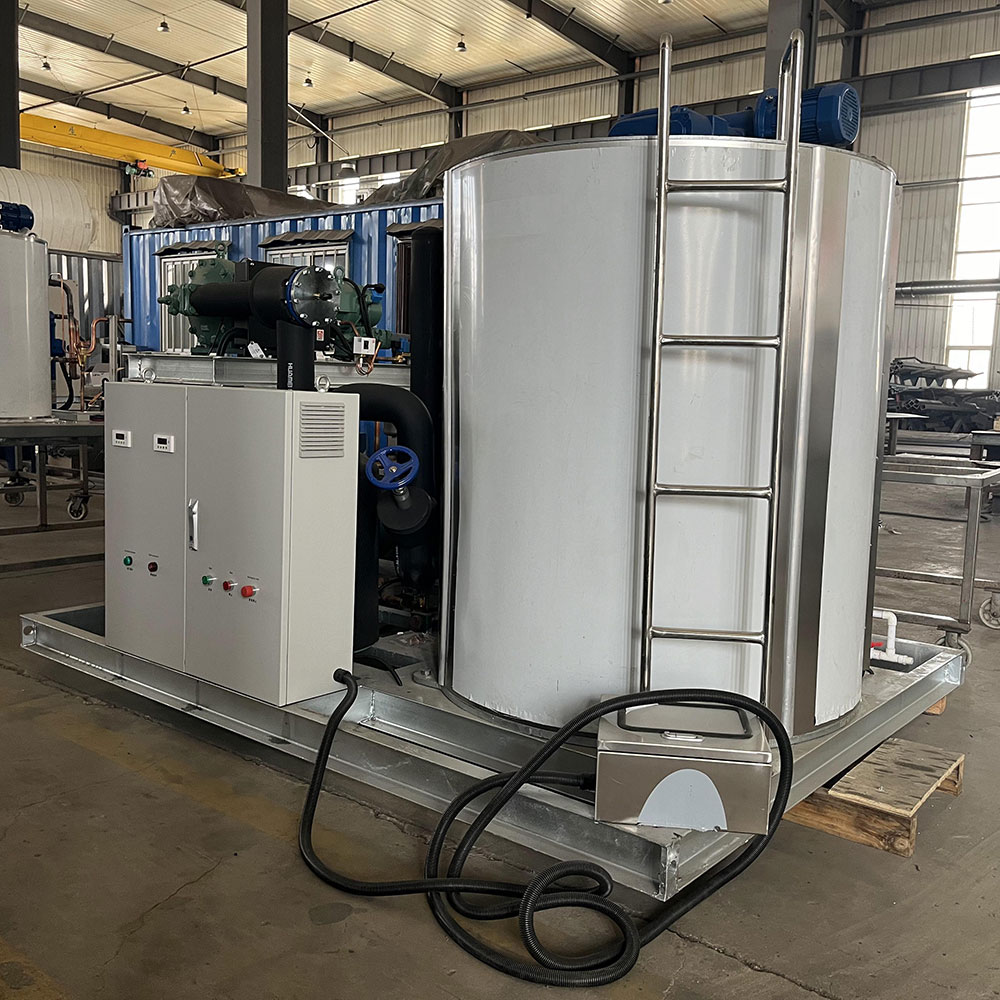
Dry ice is solid carbon dioxide with a temperature as low as minus 78.5 ℃. After sublimation, it directly turns into gas without leaving water stains, making it an ideal choice for cold chain transportation. Long distance delivery of fresh seafood, frozen food, and ice cream cannot guarantee quality without dry ice. The medical field cannot do without it: refrigerated transportation of vaccines, storage of biological samples and stem cells, and even low-temperature transportation of medical waste all rely on dry ice manufacturing machines to continuously produce standardized dry ice pellets or ice cubes. Compared to regular ice packs, dry ice has a longer cooling time and does not soak the goods in melted water.
Industrial Cleaning: Green and Efficient ‘Sandblasting’ Revolution
The most unexpected is the dry ice cleaning machine. It sprays dry ice particles at high speed onto the surface of an object, and the dry ice vaporizes and expands upon contact, “blasting” off oil stains, carbon deposits, and residual coatings without producing secondary pollution like high-pressure water or chemical solvents. Car tire molds, injection molds, printing machine rollers, food factory conveyor belts, electronic circuit boards, ship rust removal… Traditional cleaning requires dismantling equipment, using solvents, and is time-consuming and laborious. Dry ice cleaning can be directly operated without stopping the equipment, non-toxic, dry, and residue free, and is replacing a large number of manual cleaning processes.